Canadian summers can be glorious — or absolutely sweltering. When temperatures push past 30°C in cities like Toronto, Ottawa, or Vancouver, keeping your home cool without sending your hydro bill through the roof becomes a real challenge. The good news? With a few smart adjustments — some of which you can make this week — it's entirely possible to lower your indoor temperature by several degrees without running your air conditioner non-stop.
In this guide, we share the most effective strategies for Canadian summers, from the quickest wins to the most durable long-term improvements.
1. Block the Sun Before It Gets In: The Most Overlooked Strategy
Most people try to cool their home after the heat has already built up inside. That's like bailing out a bathtub with a cup while the tap is still running. The most effective strategy is to stop the heat from entering in the first place.
Direct sunlight hitting a window can raise the temperature of a room by 5 to 10°C within a few hours. This is why solar control at your windows is the single most impactful investment for keeping your home cool in summer.
Solar Shades: The Ideal Window Solution
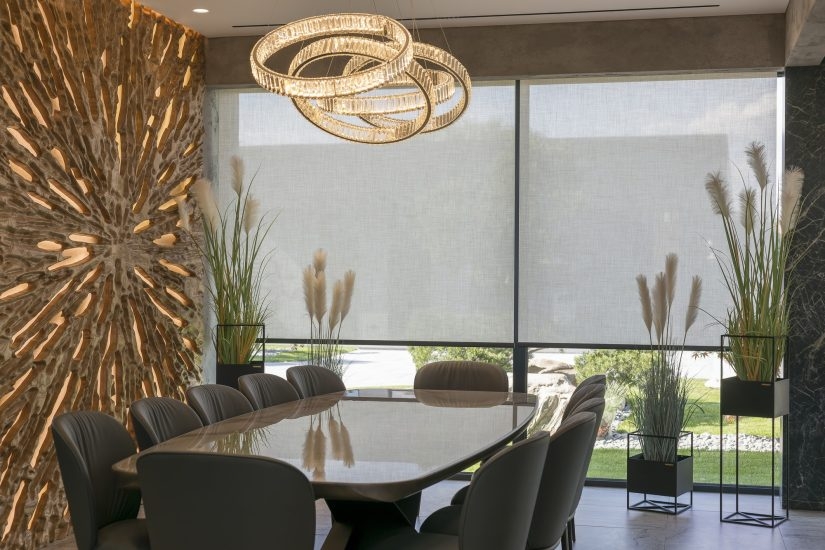
A solar shade is specifically engineered to filter sunlight while still allowing natural light into your room. Unlike heavy curtains that darken a space, solar shades maintain your outside view and a pleasant brightness — while blocking a significant portion of heat before it ever enters your home.
Understanding solar shade openness factors:
- 1% openness: Maximum privacy and heat block — ideal for street-facing rooms
- 3% openness: The best balance of light, heat control, and privacy
- 5% openness: More natural light, still significantly cooler than bare glass
The lower the percentage, the more opaque the shade — and the more heat it blocks.
Custom-made to the exact dimensions of your windows, solar shades fit every configuration: standard windows, patio doors, bay windows, and skylights. They install in minutes with no special tools required.
Shop our custom solar shades: customblinds-online.ca/custom-blinds/69/solar-shades
2. Ventilation: Moving Air at the Right Times
In most of Canada, summer nights are noticeably cooler than the days. Take advantage of that temperature difference with a simple two-phase ventilation strategy:
- Early morning (before 9 AM) and evening (after 8 PM): Open windows and create cross-breezes. Place a fan facing outward in one window to push hot air out while cooler air is drawn in from the opposite side.
- During the day: Close everything. Windows, blinds, shades. Keep the cool air you captured overnight locked in.
- Once the outside temperature drops below the indoor temperature: Open everything back up and repeat the cycle.
A simple indoor/outdoor thermometer (less than $20) will tell you exactly when to switch modes and takes all the guesswork out of it.
3. Reduce Internal Heat Sources
Several everyday appliances generate surprising amounts of heat inside your home — and many people never think to address them:
- The oven and stovetop: Cook early in the morning or after sunset, or use your outdoor BBQ. An oven running for an hour can raise your kitchen temperature by 3 to 5°C.
- Incandescent and halogen bulbs: Switch to LED lighting. LEDs produce up to 90% less heat than incandescent bulbs while using a fraction of the energy.
- Electronics on standby: TVs, gaming consoles, and chargers all emit heat even when idle. Unplug what you're not using.
- The clothes dryer: Run it in the evening or switch to a drying rack. The dryer is one of the biggest heat generators in a typical Canadian home.
4. Getting More from Your Air Conditioner
If you already have air conditioning, a few simple adjustments can dramatically improve its efficiency and lower your electricity bill:
- Set it to 24–25°C instead of 20°C. Each degree warmer saves approximately 6% in energy costs — and with solar shades on your windows, you won't feel the difference.
- Clean your air filters every two weeks during peak summer. A clogged filter forces the unit to work significantly harder to circulate air.
- Use fan-only mode on cool nights to circulate fresh air without the compressor running.
- Combine your AC with solar shades: by reducing the solar heat load entering through your windows, you'll cut your air conditioner's runtime and extend its lifespan.
5. Long-Term Improvements Worth the Investment
If you're planning home improvements, certain upgrades deliver lasting comfort gains through every Canadian summer:
Custom Window Coverings for Every Room
Beyond solar shades for sun-exposed rooms, consider zebra sheer shades for living areas where you want light control without sacrificing style, blackout shades for bedrooms where total darkness means better sleep, and light filtering shades for bathrooms and hallways where soft, diffused light is the goal.
Strategic Landscaping
Deciduous trees planted on the south or west side of your home provide valuable summer shade while allowing winter sun through once the leaves fall. It takes several years to see the full effect, but the long-term payoff — in both comfort and energy savings — is significant.
Attic Insulation
A poorly insulated attic acts like a pizza oven directly above your living space. Adding blown-in cellulose or mineral wool insulation to your attic is often the single most cost-effective home improvement for summer cooling and winter heating alike. It's worth getting a quote this fall.
Quick Summary: Where to Start
Here's a realistic priority order for keeping your home cool this summer:
- This week: Install solar shades on your most sun-exposed windows (south and west-facing).
- This month: Adopt the day/night ventilation strategy and reduce internal heat sources.
- This fall: Plan your attic insulation upgrade before next winter.
- Long term: Consider landscaping and complete your window treatment plan for the whole home.
Solar shades remain the fastest, most affordable, and most immediately effective solution. By stopping solar heat at the window — before it ever enters your room — you can lower indoor temperatures by several degrees without touching the thermostat.
Shop Our Custom Solar Shades
Canadian Manufacturer — Free Shipping — Free Samples Available
Frequently Asked Questions
Can solar shades replace air conditioning?
Solar shades don't replace an air conditioner, but they significantly reduce the heat load on your home. Combined with proper night ventilation, they can make AC unnecessary on mild days and dramatically reduce usage on hotter ones — which directly lowers your electricity bill.
Which solar shade is best for a bedroom?
For a bedroom that receives morning or afternoon sun, a 1% solar shade provides the best heat control and privacy. If you need complete darkness for sleeping, a 100% blackout shade is the right choice — it blocks all light and all heat.
Can I install a solar shade myself?
Absolutely. Our shades ship with all the hardware needed and install in 10 to 15 minutes with just a screwdriver. Step-by-step installation instructions are available on our website, and our customer support team is available by phone and chat if you have any questions.
How long does a quality solar shade last?
Our solar shades are manufactured with UV-resistant materials designed to last 10 to 15 years with minimal maintenance. They are backed by our quality guarantee and manufactured right here in Canada.